

Your next product improvement shouldn’t stay on the backlog
Product leaders, your customers' needs keep growing while useful features and recurring fixes wait. You get a senior product, design, and engineering team to help decide what comes next and build it with you.
Revisit the work you kept putting off
A customer request may deserve another look. So might the fragile workflow your team patches every week. Start with one problem and the evidence that solving it would matter.
AI-assisted development can change what's practical to explore. You still need a reason to build, a clear scope, and a way to check the result.
-
1
Choose one change worth testing
You bring a deferred feature, customer request, or recurring failure. Together, we identify the user outcome, existing constraints, and what would make the work worthwhile.
-
2
Try the part that's uncertain
When the interaction is unclear, a clickable prototype gives you something to try with users. A technical proof of concept can test feasibility. Neither establishes production readiness.
-
3
Decide what to build next
Use what you learn to proceed, revise, or stop. Agree the production scope and release checks before expanding the work. Improve the existing system where it fits.
Keep product progress and maintenance moving together
You own the business priorities. We bring product options and technical recommendations, then agree the work with you. Weekly delivery reviews and monthly priorities reviews keep those decisions current.
See what changed for users
Review a working increment against the customer need behind it. Your feedback shapes the next change, including when a smaller improvement solves the problem.
Give recurring problems a place
Bugs, slow workflows, and difficult maintenance belong in the same priorities discussion as new features. You can weigh their effect on users and delivery.
Expand from what you learn
Revisit deferred capabilities as your product and tools change. You decide where to deepen the work using customer feedback and the constraints of your existing system.
Before release, engineers check critical user workflows in the browser, including relevant failure paths and integrations, alongside automated tests. Your review includes what passed and what remains unresolved. Senior engineers own the release decision.
See how focused work grew into broader capabilities
These continuing partnerships show how a product can grow around users' needs. Each case explains the work and the capabilities it supports.
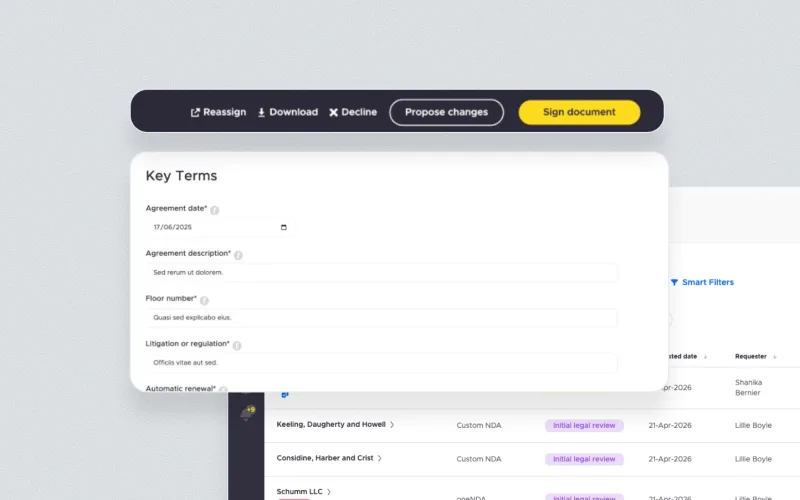
SimpleDocs
From NDA requests to configurable contract workflows
A focused NDA product grew to support custom forms, approval routes, multiple signers, and agreement storage. The case follows that progression. Image uses demo data.
View case study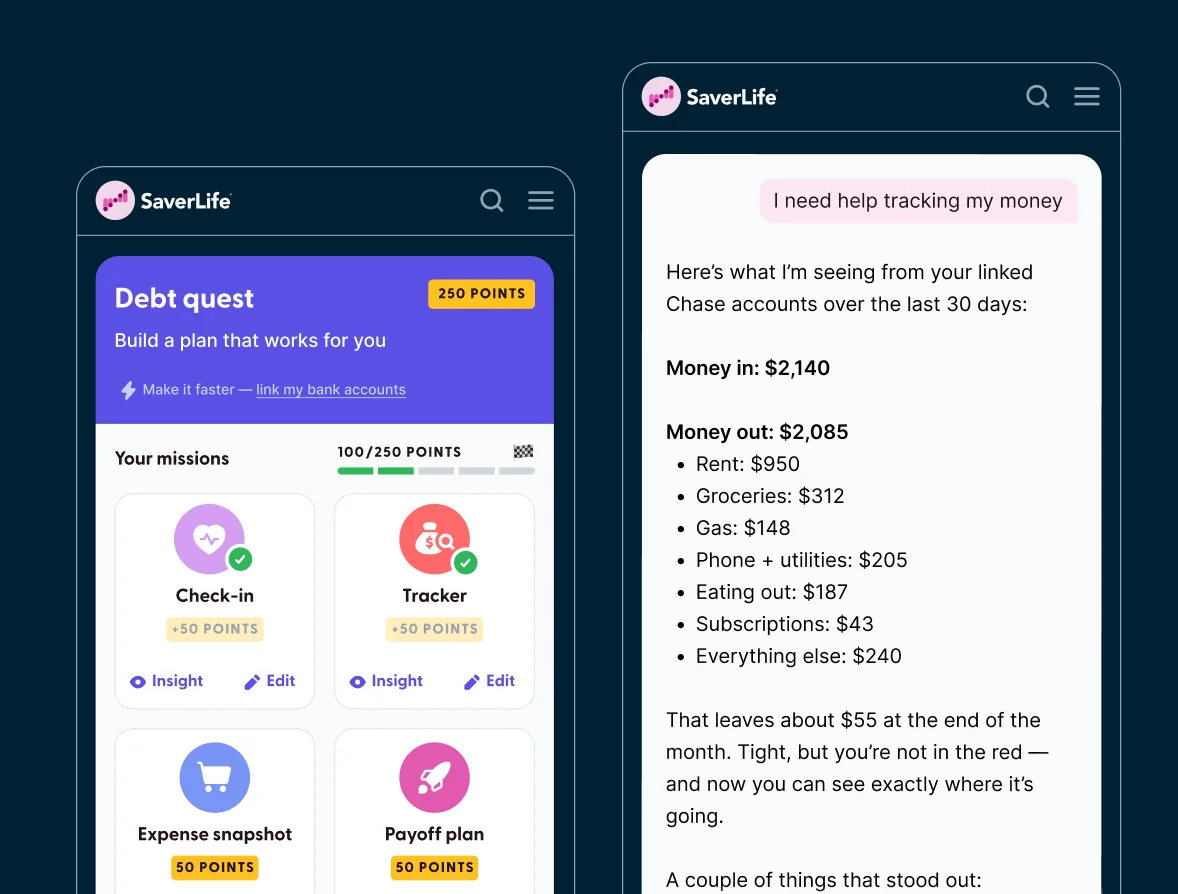
SaverLife
From member feedback to contextual financial guidance
Member-informed prototypes shaped an AI financial navigator. After launch, the work expanded into debt and savings conversations, with personalization governed by member settings and rollout controls.
View case studyJordan Trevino, our founder, is also SimpleDocs's co-founder and CTO.

What keeps slipping off your roadmap?
Bring one customer request, deferred feature, or recurring failure. We'll discuss a useful starting point and the team you need. Scope and pricing depend on your product; an assessment can come first if the direction is unclear.